
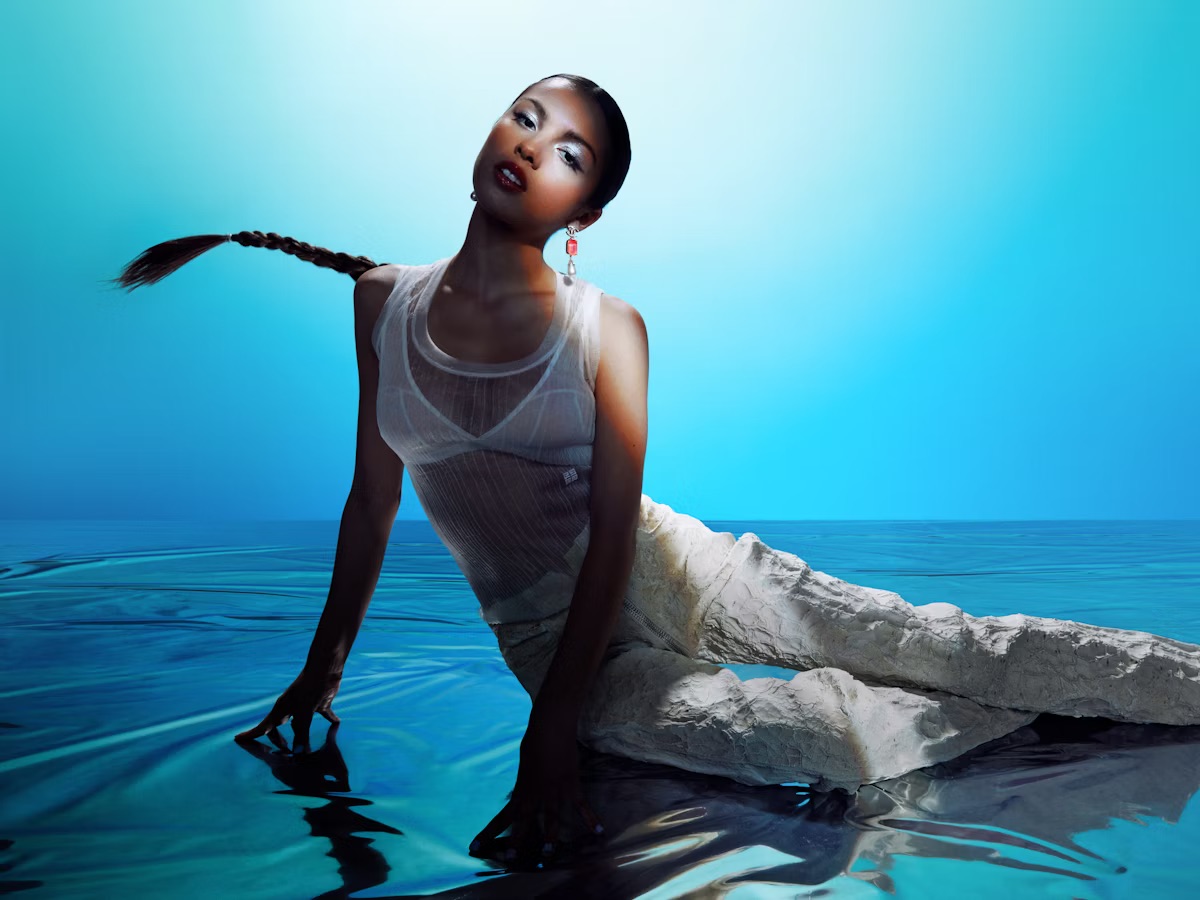
Olivia Rodrigo Was Built 4 This
Olivia Rodrigo is vibrating with excitement. We’re cozy in A-1 Record Shop in the East Village, listening to funk over the speakers and torrential rain on the pavement outside. She’s about to get the keys to a new apartment in Greenwich Village, and she’s entering her New York era: Her best friend Madison goes to Columbia, she wants to know where the good karaoke spots are, and she feels like the energy of any well-spent 20s—a little chaos, a lot of fun—is all around her here. “I’ve got to live my Sex and the City fantasy,” she says. (For the record, she identifies as a Carrie and Charlotte mix.)
Rodrigo, who came beaming into the record store like the absent sun, has her long dark hair in neat braids down her back. She’s wearing winged eyeliner and little other makeup, a lavender sweater, a long purple-and-white-checked skirt, and black loafers. Her face is as open as a fresh notebook; she wields her hot-girl powers gently. She clarifies that she’s not giving up California: For one thing, there’s no place better to listen to music than in your car. But, though she always used to roll her eyes when people would say they were more inspired in New York—“I would be like, ‘Whatever!’ ”—she’s spent a lot of the last year writing here, and she’s starting to feel like it might be true. She’s also been learning to be alone, for the first time in her life, and she’s found that it’s particularly wonderful, in the city, to be alone among a lot of people. Plus, I say, when New Yorkers see someone famous—
“They don’t give a shit,” she says, smiling.
When the world—outside the narrowly age-gated if otherwise enormous viewership for Disney original programming—was introduced to Olivia Rodrigo, it was January 2021 and she was 17, and every single person with internet access and a pandemic-damaged psyche seemed to be listening to “Drivers License,” a song she wrote about her first heartbreak. She was 16 when COVID hit, and she was living at home with her parents, finishing her senior-year schoolwork, sitting in her bedroom watching her life change through a tiny screen. “Everything flipped on its head,” she says, with the release of that song, which was streamed 80 million times in a week.
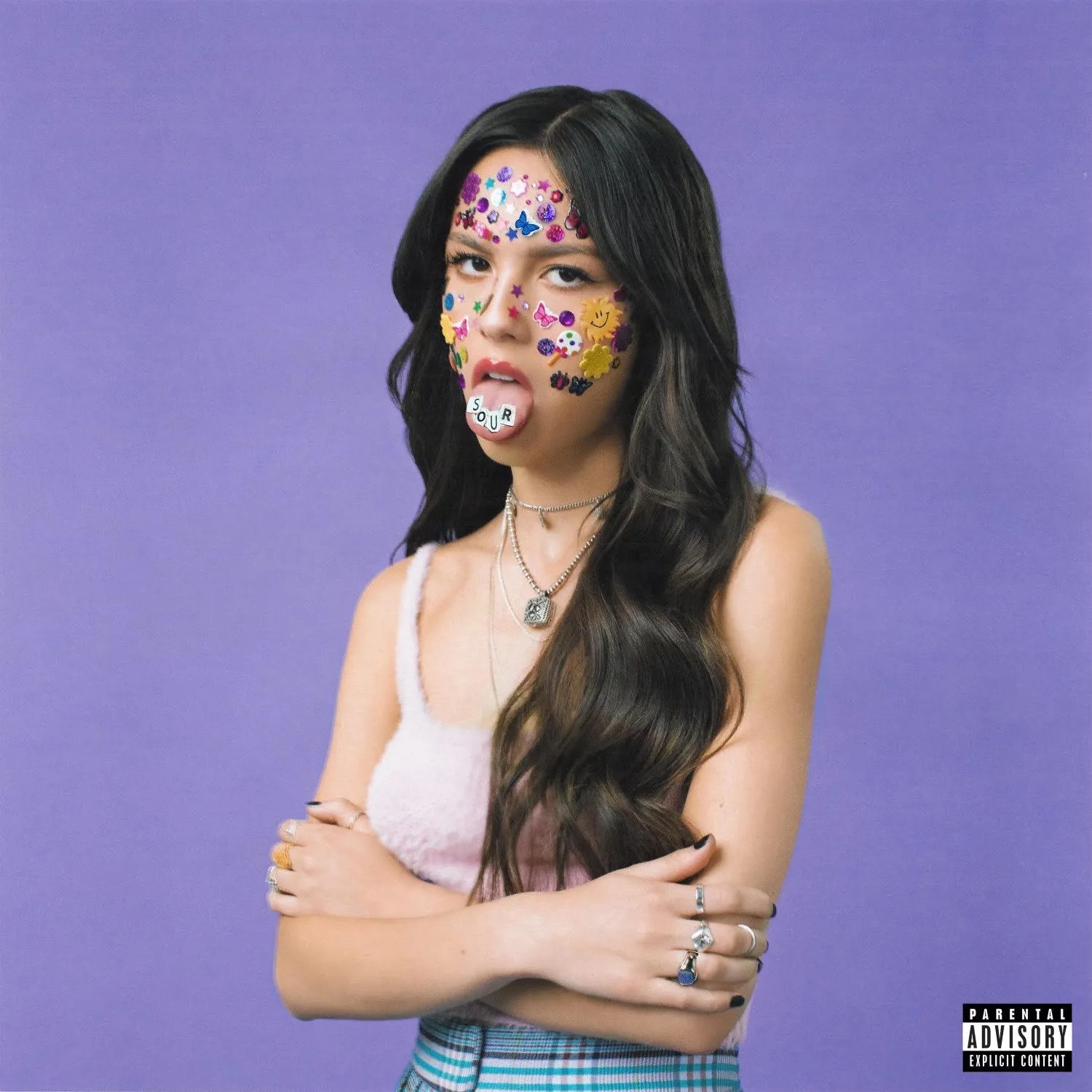
Sour established Rodrigo as a definitive Gen Z pop star. “There’s this je ne sais quoi to Olivia,” Nigro told me. “People either have it or they don’t.” He’d spotted her on Instagram in early 2020—she’d posted a clip of herself singing “Happier,” a winsome song about watching an ex move on with another girl. Nigro got the chills. “The concept, the lyric, was so clever: I hope you’re happy, but don’t be happier.” Sour was true to its title, a lollipop that planted an ache in your gut. Rodrigo inhabited each line with utter sincerity; she seemed dazzled, flummoxed, overwhelmed by the headiness of growing up—by the realization that each snapshot of the ephemeral present would become a memory. She crystallized waves of anger and longing and inadequacy: “Do you get déjà vu when she’s with you?” she sang.
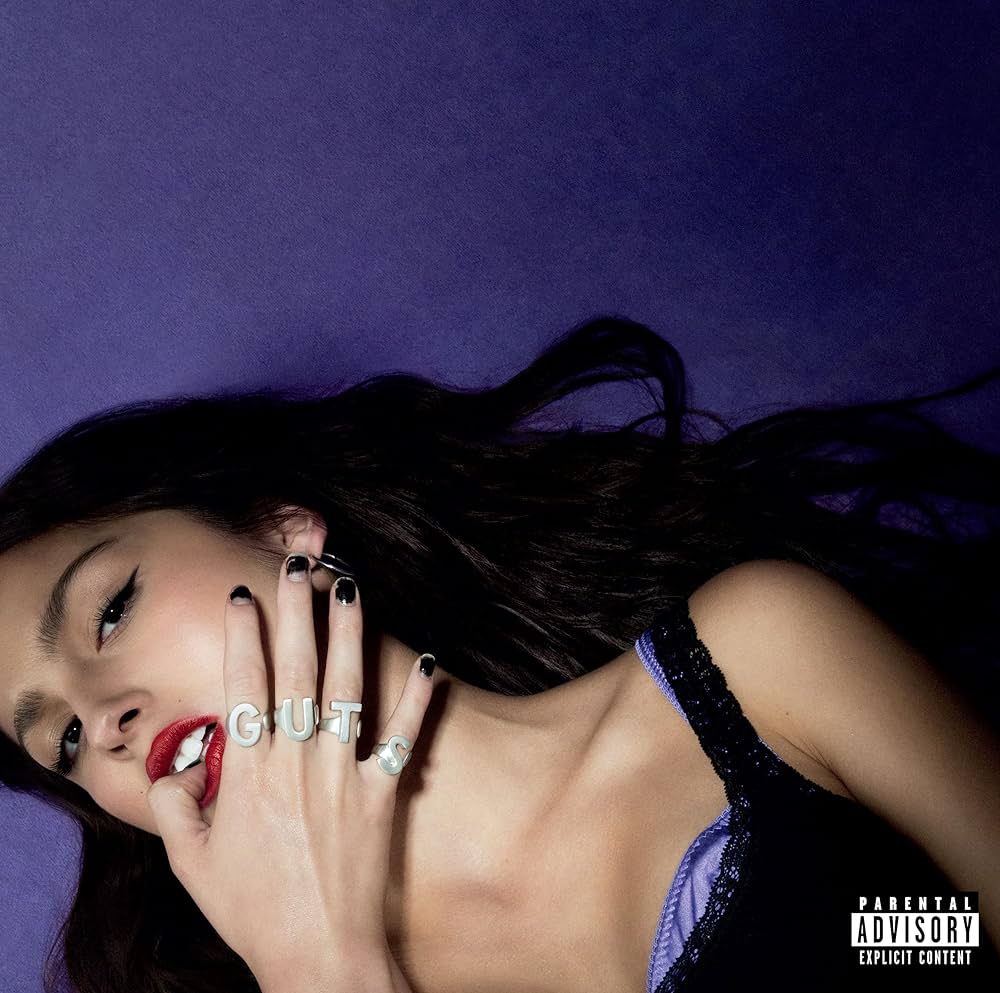
Now, for her sophomore album—which, as of the day we meet up, she and Nigro are still finishing—expectations are boundless. In order to hear four of the new songs, I’d set up a clandestine rendezvous with her publicist: At a library-quiet coffee shop in Brooklyn, I’d been handed an iPhone and a set of headphones, and listened to how much Rodrigo’s life had and hadn’t changed. There were two wrenching, cinematic ballads, but they were crafted with a new self-assurance. The other two tracks were playful and insouciant—indications, Nigro said, of this album’s turn away from melancholy. On one, which brought to mind Le Tigre, Charli XCX, and the Josie and the Pussycats soundtrack, Rodrigo careened toward an ill-advised and irresistible night with an ex. On the other, she sweetly wove a lyrical cat’s cradle about the impossible expectations that rest on idealized young women—the pressure to be sexy, thoughtful, funny, kind, inspirational, easygoing, endlessly grateful—and then ripped the threads apart on the chorus, flipping from Taylor Swift to Kathleen Hanna in a blink. I heard each song just twice, but the hooks are still ricocheting around my head.
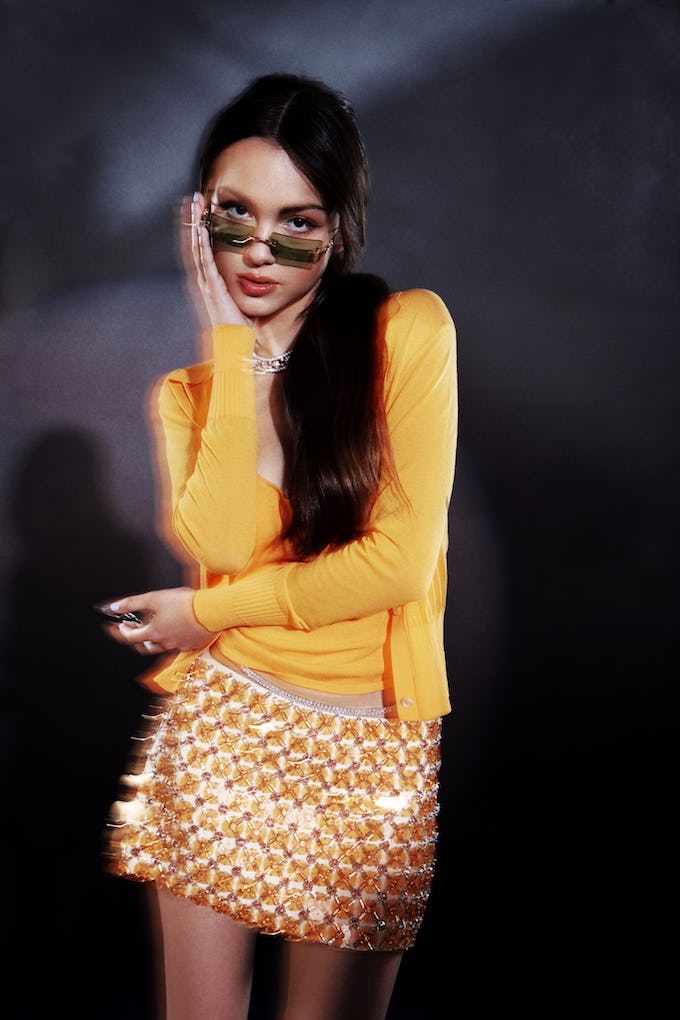
I ask her about something she’d said a few times in 2021, that young women in pop music had an expiration date placed on them at age 30. “I was under the impression,” she says, “that the younger you are, the more successful you’ll be in the music industry.” She’d always known that the paradigm was unfair; now she rejects, altogether, the idea that value is externally defined. “I think I believed in these false ideas for a little while,” she says. “The most painful moment of my life turned into my most successful.” For a minute she imagined that the more pain she was in, the more people would like her, the more money she would make. Now, she thinks you write good albums when you’re growing a lot, and that that’s a process that goes on all your life. Anyway, she doesn’t want to be a pop star forever, necessarily. What she cares about is that she can keep writing songs, whether for herself or other people.